
A pioneering development initiative in Bolivia is helping to transform the future of canoe sprint by increasing access to boats, building local manufacturing capacity, and reducing the costs associated with importing equipment.
Launched in 2024 through the International Olympic Committee, Olympic Solidarity, and Development National Sport System (DNSS), the project combined coach education with sustainable equipment development to support the long-term growth of canoe sprint in Bolivia.
The initiative was delivered through a four-party collaboration involving the International Olympic Committee, the Bolivian Canoe Federation, the Bolivian Olympic Committee, and the International Canoe Federation.
Fully funded by the IOC through the DNSS programme, the project aimed to address one of the key barriers to participation and development in the sport: access to affordable boats.
As part of the project, a canoe sprint coaching and officials' course was delivered to strengthen local coaching and officials' expertise.
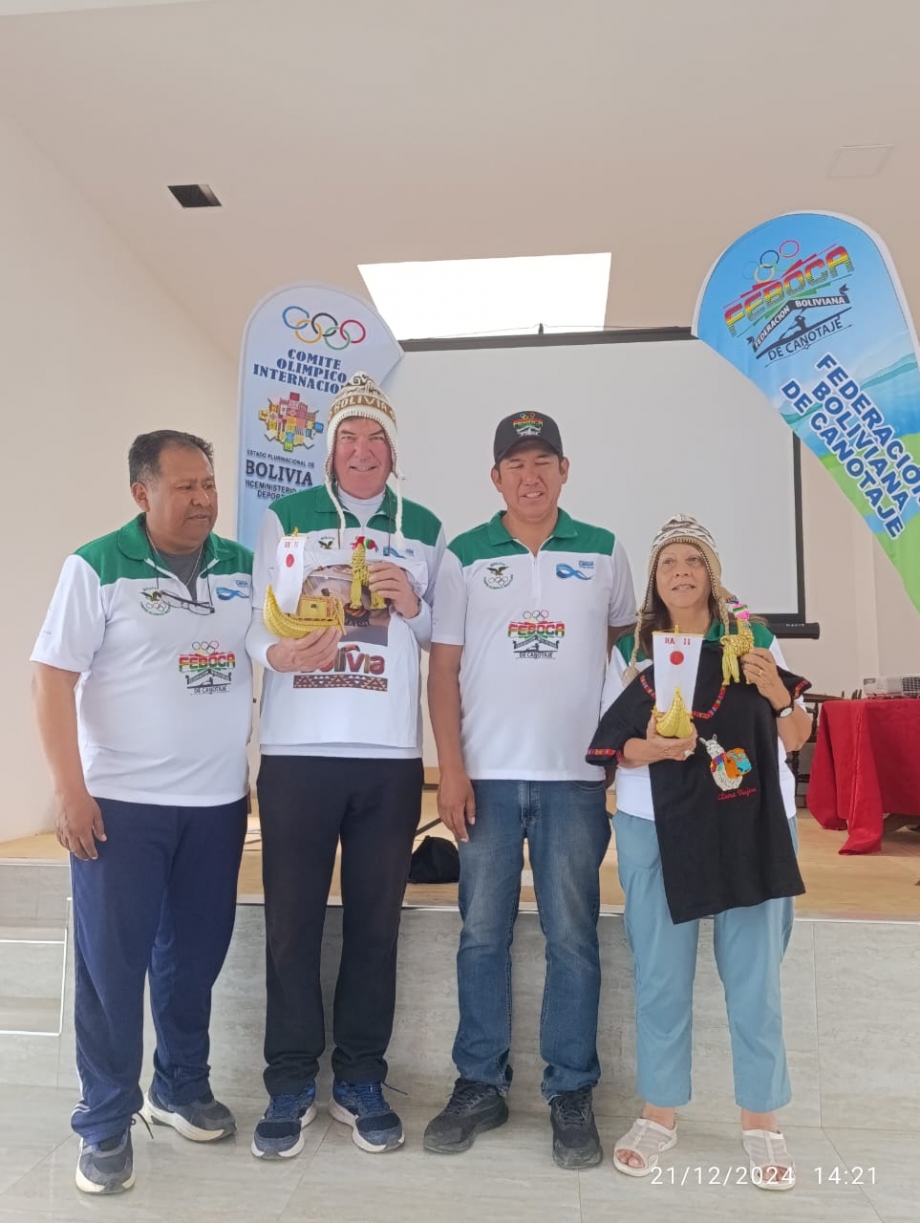
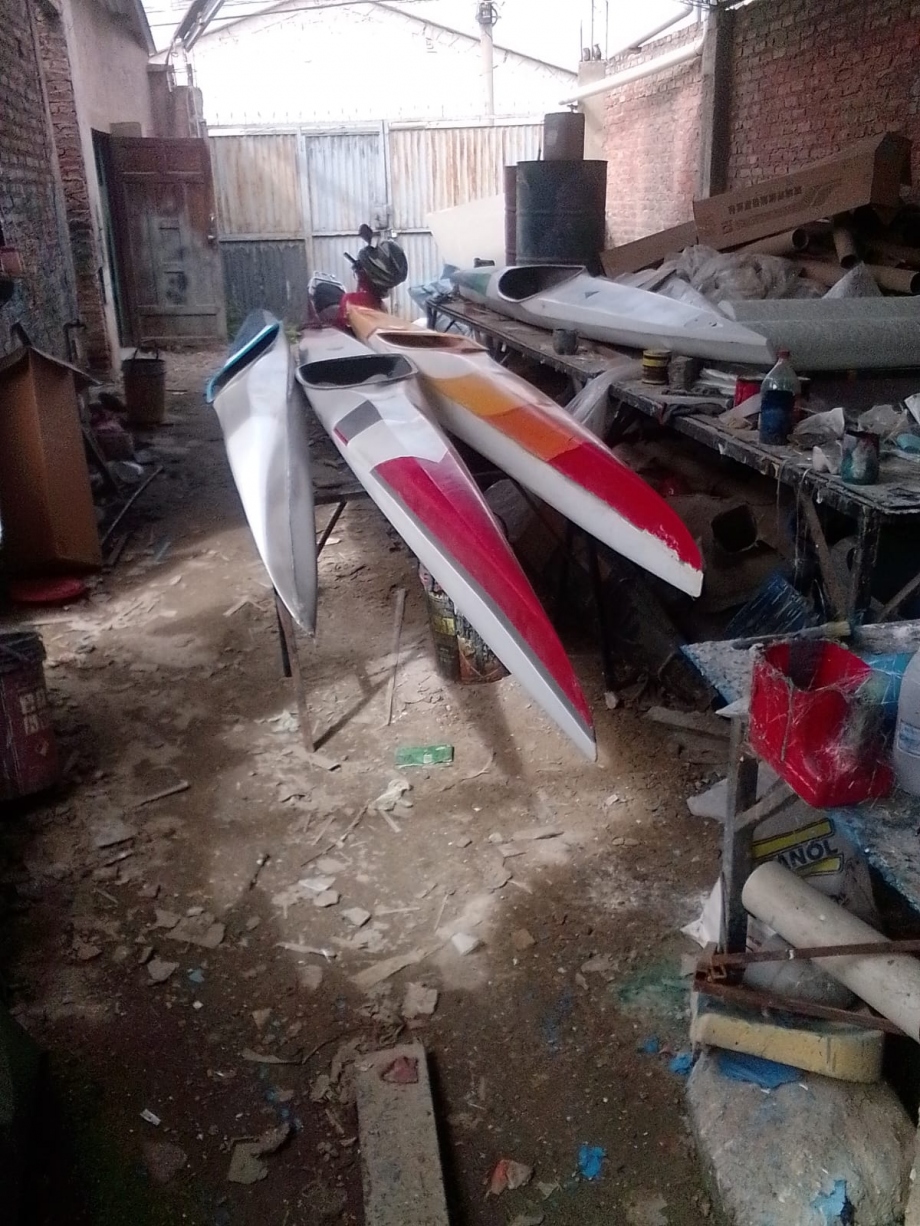
Alongside this educational component, a Domestic Boat Production program was established, and the ICF Development Team supported a local manufacturer in building canoe sprint boats using boat models as the foundation.
Through this initiative, 20 boats were produced in Bolivia, creating valuable equipment for clubs and athletes while simultaneously developing local manufacturing knowledge and skills.
The project also included the donation of the first boats to clubs, helping to expand access to the sport at grassroots level.
By transferring boat-building expertise directly to Bolivian manufacturers, the programme has created a sustainable solution to meet local demand.
Producing boats domestically eliminates the need for costly overseas transportation, which significantly increases the final price of imported equipment and can limit opportunities for developing canoeing nations.
The success of the project demonstrates the value of combining sport development with local capacity building.
Rather than relying solely on imported equipment, Bolivia now has the knowledge and capability to produce boats locally, supporting the continued growth of canoe sprint across the country.
"The DNSS project was built around three key components: education for coaches, education for judges and technical officials, and domestic boat production,” said ICF Vice President Dr. Cecilia Farias.
“Together, these elements provide the foundation for sustainable growth and have contributed enormously to the strengthening of the Bolivian Canoe Federation.”
"The final phase of the project focused on domestic boat production. Although it was a challenging process, the local manufacturer was able to deliver half of the expected production at a very high standard while developing the knowledge and skills needed for future production.”
"What makes this project especially significant is that the people who were educated through the coaching and officials' programmes are the same people now driving the federation forward.”
“Under the leadership of President Pedro Buendía Valencia, a young and enthusiastic leader, the federation has built a committed and capable working group that is helping canoe sprint continue to grow across Bolivia."
Following the positive results achieved in Bolivia, the project has received continued support and is expected to remain a key component of canoe sprint development efforts in the coming years.
Related links