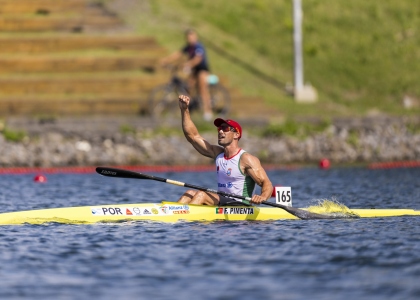

Montreal welcomed 671 athletes from 64 nations to the Olympic Basin at Parc Jean-Drapeau, marking 50 years since Olympic Games headed to the Canadian city.
Across 35 thrilling finals, world champions were pushed to their limits, rivalries intensified, and rising stars announced themselves on the international stage as Canoe Sprint and Paracanoe paddlers put on a spectacular show for the Canadian crowds.
By the end of the weekend, competitors from 15 different nations had stood atop the podium, with Hungary finishing as the most successful nation with six gold medals.
Here are five things we learned:
Click here for the live start lists and results from Montreal
- Brazil are team to beat in Paracanoe
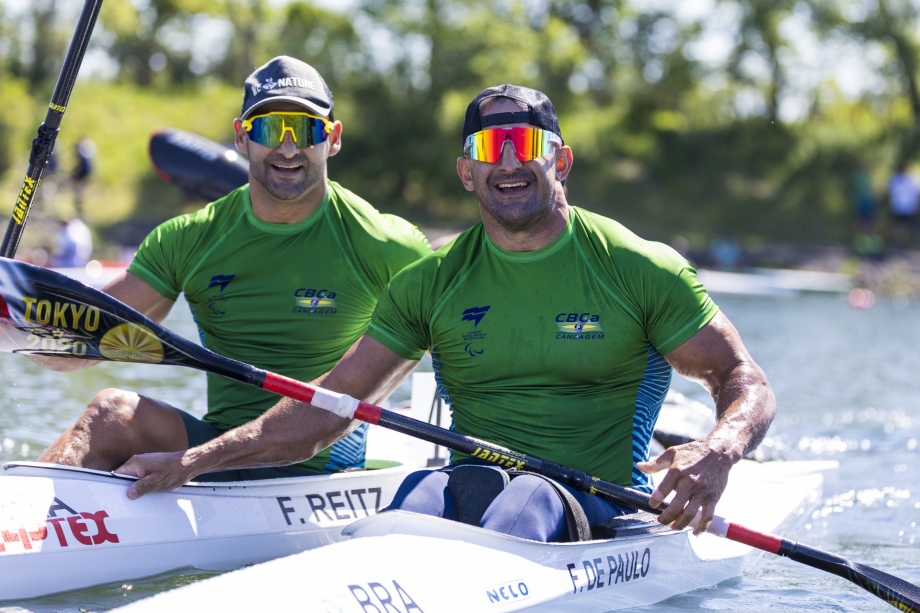
Brazil underlined its growing dominance in Paracanoe by finishing atop the medal table with eight medals in Montreal. Fernando Rufino de Paulo came away with golds in men’s KL2 and men’s VL3. Rufino and Gabriel Porto both struck gold on the final day, while Flavio Reitz and Miqueias Rodrigues added silver medals to cap off a remarkable campaign. Earlier in the weekend, Giovane Paula claimed gold in the men's VL3 and Adriana Azevedo secured bronze in the women's KL1. With depth across multiple events and medals coming from throughout the squad, Brazil heads into the World Championships as the benchmark nation.
- Pimenta won battle for bragging rights
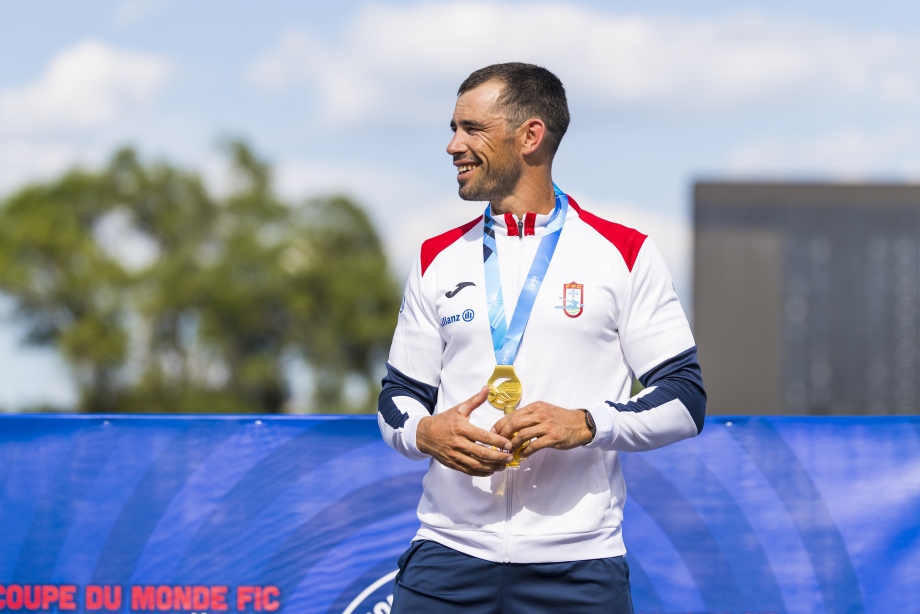
With one gold and one silver each, Fernando Pimenta and Mads Pedersen had shared the honours heading into the final day. It all came down to the last race of the day, where the pair went head-to-head one last time. Pimenta established an early lead, but Pedersen refused to let him escape, setting up a thrilling finale. The Portuguese star held on to secure his second gold medal of the weekend – and, with it, the bragging rights heading into next month's World Championships. Pimenta’s other gold medal came in the men’s K1 1000m as he powered to victory, issuing a statement in the absence of Hungary’s Balint Kopasz.
- US ice stars are making waves in Paracanoe
Multiple Paralympic sled hockey gold medallists Jack Wallace and Declan Farmer are proving that elite success can translate from the ice to the water. Farmer made his Paracanoe World Cup debut in Montreal, following teammate Wallace, who first took up the sport in 2019. Both believe the similarities between sled hockey and Paracanoe have helped sharpen their performances in each discipline. With Los Angeles 2028 on the horizon, the pair are chasing the rare achievement of representing the United States at both the Winter and Summer Paralympic Games.

- Poland showed champions never stop fighting
Martyna Klatt and Anna Pulawska reminded everyone why races are never won until the finish line. Seemingly out of contention in the closing stages of the women's K2 500m final, the Polish duo produced a stunning late charge to overhaul China’s Shimeng Yu and Mengdie Yin in the final metres to snatch gold. It was a dramatic victory that not only showcased their resilience but also provided a timely confidence boost ahead of the World Championships on home water in Poznan.

- Jagsch and Schopf are solo stars for Germany
There were no medals for the German men’s team boats but Jacob Schopf came out firing in the kayak single. Schopf proved too strong over 500m as he clinched gold, beating Czechia’s world champion Josef Dostal and Australia’s Jean van der Westhuyzen. There was also solo success for Schopf's teammate Pauline Jagsch. After helping Germany’s women’s kayak four 500m team earn bronze, Jagsch struck gold on her own. Jagsch is having a stunning season so far and she added to that by winning her first-ever World Cup title in the women’s K1 500m. Just one month after capturing the European crown, Jagsch triumphed again as she overcame Poland's world champion Pulawska and Australia’s rising star Natalia Drobot.
Related links