
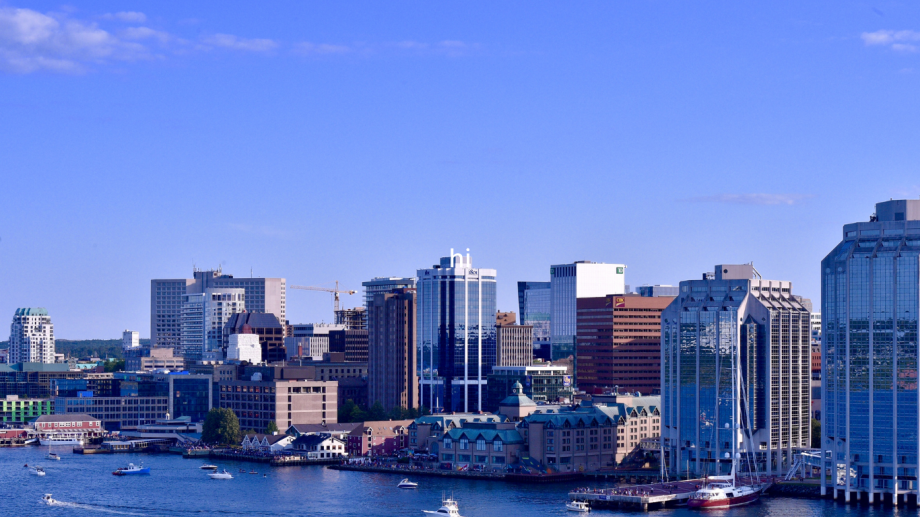
The capital of Nova Scotia is a dynamic, Atlantic harbour city where urban life meets the open ocean. Set around one of the world’s deepest natural harbours, it has grown from a historic maritime port into a modern coastal hub with a strong identity shaped by the sea.
While best known for its busy waterfront, naval history, and strong cultural scene, Halifax also offers direct access to some of Canada’s most accessible ocean paddling. Sea kayaking is a popular way to experience the coastline, with routes that move from sheltered harbour waters to nearby islands, rocky shorelines, and quiet coves just beyond the city.
The Atlantic setting creates a varied paddling environment, from calm inner harbour routes suitable for beginners to more exposed coastal waters that offer longer-distance exploration and a closer connection to the region’s rugged shoreline.
Located on Canada’s eastern seaboard, Halifax is the largest city in Atlantic Canada and a key regional centre for trade, culture, and education. Its natural harbour has been central to its development and remains the heart of city life today.
The waterfront also supports a wide range of recreational activities including sailing, boating, and paddling, making the harbour a year-round focal point for both residents and visitors.
Getting there and around
Halifax is well connected internationally and across Canada, with Halifax Stanfield International Airport located around 30–40 minutes from the city centre.
From the airport, shuttle buses, taxis, and car rentals provide easy access into the city, while regional flights connect Halifax to major North American hubs.
Typical travel times include:
Toronto: 2 hours by flight
Montreal: 2 hours by flight
Boston: 1.5 hours by flight
New York: 2 hours by flight
Within the city, Halifax Transit operates a reliable network of buses and ferries, including a harbour ferry service that offers a scenic and practical way to cross the water.
The downtown and waterfront areas are highly walkable, while cycling is increasingly popular thanks to expanding bike lanes and coastal routes that link parks, beaches, and paddling access points.
Key areas and neighbourhoods
Downtown Halifax: The city’s main hub, combining business, entertainment, and direct access to the waterfront boardwalk.
Halifax Waterfront: A lively stretch along the harbour featuring markets, museums, restaurants, and direct access to boat tours and kayaking launch points.
North End: A creative and historic neighbourhood with independent cafes, music venues, and a growing food scene.
Dartmouth (across the harbour): Known as the “City of Lakes,” it offers additional paddling opportunities on sheltered freshwater lakes alongside harbour access.
Point Pleasant Park area: A large coastal park offering forested trails, ocean views, and access points for sea kayaking along the harbour entrance.
Top attractions
Halifax Waterfront Boardwalk: A long harbourfront walkway connecting shops, historic sites, and water-based activities, including kayaking and boat tours.
Halifax Citadel National Historic Site: A star-shaped hilltop fortress overlooking the city and harbour, offering insight into Halifax’s military history.
Maritime Museum of the Atlantic: Showcasing the city’s deep connection to the sea, including exhibits on shipping, the Titanic, and naval heritage.
George’s Island: A small island in the harbour accessible by ferry, offering historic fortifications and unique perspectives of the city from the water.
Sea kayaking the Halifax Harbour: A standout experience, allowing paddlers to explore urban coastline, nearby islands, and sheltered inlets with views of both historic and modern Halifax.

Food and drink
Halifax’s food scene is strongly influenced by its coastal location, with seafood playing a central role. Local favourites include fresh lobster, scallops, mussels, and fish chowder.
Other local dishes include deep-fried pepperoni, garlic fingers, and Moon Mist ice cream.
The city is also known for its casual waterfront dining, craft breweries, and lively pub culture. Seasonal patios along the harbour are especially popular in summer, offering views of boats, kayakers, and passing ferries.
Accommodation
Downtown / Waterfront: Best for first-time visitors wanting direct access to attractions, restaurants, and harbour activities.
North End: A more local, creative area with boutique stays and independent eateries.
Dartmouth: A quieter alternative across the harbour, offering lake access and easy ferry connections to downtown.
Coastal outskirts: Ideal for visitors seeking nature-focused stays with access to beaches, trails, and open-water paddling routes.
Practical Information
Currency: Canadian Dollar (CAD)
Language: English (French widely understood in Canada)
Transport: Bus network, harbour ferry, walkable downtown, and growing cycle infrastructure
Weather: Mild summers ideal for paddling, cool and often windy conditions year-round, with coastal weather changing quickly due to Atlantic influence
Related links