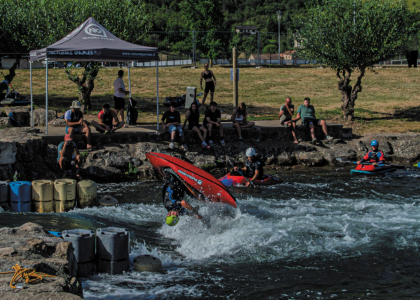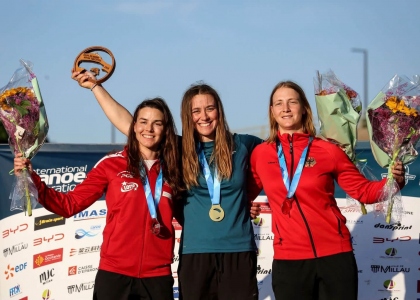

As the International Canoe Federation Canoe Freestyle World Cup was in full swing in Millau, a select number of developing athletes and aspiring coaches honed new skills during a development camp.
There was a range of activities on offer in the French town for the athletes, as they were able to develop new tricks, try out new boats and events, while building relationships with fellow paddlers.
The camp was held alongside the World Cup which ran from June 22 to 27.
Under the guidance of Norwegian Head Coach Valerie Bertrand, participants spent the week refining their technique, experimenting with different boats and learning new tricks on the water.
Beyond improving individual performance, the camp was designed to support the long-term growth of Canoe Freestyle by providing athletes and coaches from developing nations with access to world-class coaching and an inclusive international environment.
"There are several purposes of these development camps, but the main one is always to bring new people into the sport – whether that's freestyle kayaking or paddle sport in general," said Bertrand.
"It's also to try and reach out to nations that don't have the resources or support to grow their skills or grow paddle sport in their own nation.
“We bring them into the freestyle community, which is one of the best environments – it's very inclusive and friendly."
A key focus this year was working with Japanese paddler and aspiring coach Motoharu Watari, who hopes to help grow freestyle canoeing in Japan.
While already an accomplished paddler, Bertrand said the emphasis was on developing his coaching skills so he could pass his knowledge on to future generations.
"Watari's wish was to help develop freestyle back at home from grassroots," Bertrand said.
"He is already at a strong level himself, so he knows the tricks, but he needed guidance on how to break skills down and on what to look for for the tricks to be complete".
Throughout the week, Bertrand worked closely with Watari to develop coaching strategies and create a plan for how he can continue building the sport when he returns to Japan.
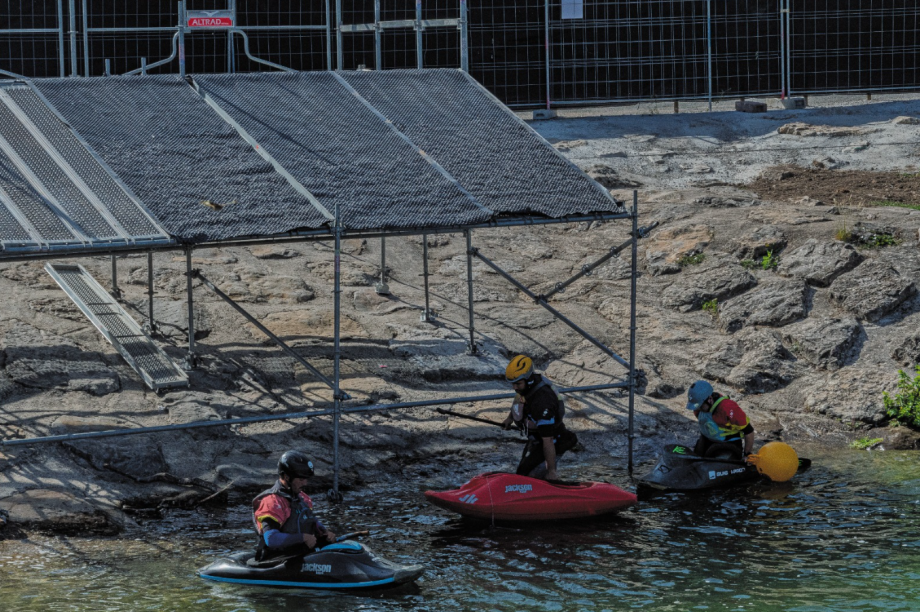
The camp also gave athletes the chance to broaden their experience by trying different disciplines and equipment.
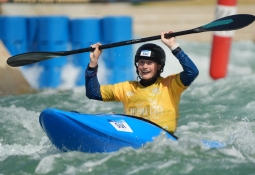
For Swiss paddler Ariane Kahlau, the week offered plenty of firsts.
"It has been amazing," said Kahlau.
"We got to work on our tricks, we took videos to learn better, and got to try out new boats.
"It was my first time in an OC1 boat, then a C1, and I also tried squirt.
“I learned so many new things, it was such a great experience.”
While the technical development was invaluable, Bertrand believes it is the friendships and sense of community that leave the biggest impression.
"The people have really made this camp special," she said.
"By the end of the week, the group is so close and everyone is supporting each other. The people are what connect us to the sport."
Although visa challenges meant fewer participants attended this year's camp than expected, Bertrand remains optimistic about its future and the role it can play in expanding freestyle canoeing around the world.
"Development camps like this are one of the most important investments we can make in the future of Canoe Freestyle,” said Canoe Freestyle Committee Chair Terry Best.
“They give athletes and coaches the opportunity to learn from experienced mentors, build international connections and return home with the knowledge and confidence to help our sport grow in their own communities.
“Seeing that progress take place alongside a World Cup makes the experience even more valuable."
Related links